

A franchise website has two bosses and they want different things. Head office wants every location to look like the same company, because that sameness is most of what an owner paid for. The owner in one town wants their page to beat the independent down the road, who answers the phone himself and knows every street. We have a separate post on franchise SEO.
Most franchise website design fails by picking a side. Lock it down completely and every location page is a lifeless clone that ranks for nothing. Let everybody loose and within a year the brand is forty different websites wearing the same logo.
What the brand should own
Some things should never be an owner's decision, because the whole point of the brand is that they are settled. Head office keeps hold of the look, the structure and anything with legal weight.
- Logo, colours, fonts and layout. No per location theming, ever.
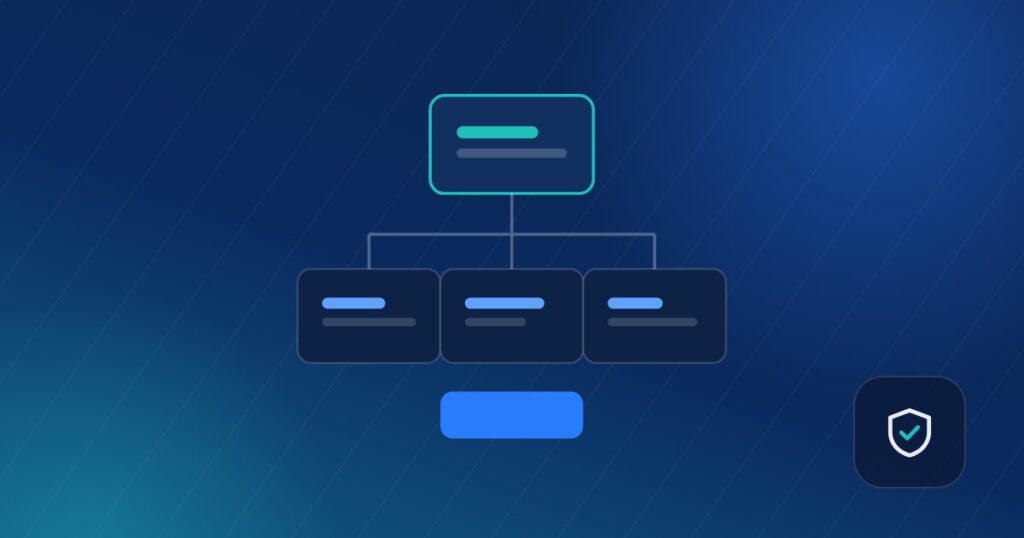
- The page structure. Every location gets the same set of pages in the same order, so the whole site is one shape.
- Service descriptions and claims. The words that carry guarantees, warranties or compliance language.
- Forms and tracking. One form, one way leads are captured, so nobody is routing inquiries into a personal inbox.
- The technical base. Hosting, speed, security, updates, the site map and the way URLs are built.
Get the URL structure right at the start, because it is the one thing that is painful to change later. Something plain and predictable, a folder per location rather than a different domain each time.
What the local owner needs to control
Here is the part head office tends to get wrong. The owner is not asking to redesign anything. They are asking to put the true, local, specific things on their own page, and those are exactly the things that win the search.
- Their address, phone number and real hours, including the ones that differ from the brand standard.
- The towns and neighbourhoods they actually cover. Nobody at head office knows where the territory stops.
- Their own team photos and a short staff introduction. This is the single biggest difference between a page that converts and one that does not.
- Their own reviews, pulled from their own Google profile rather than the brand average.
- Local proof. Finished jobs, the sponsorship of a youth team, years in the area.
- Seasonal or local offers, within whatever the brand allows.
Every item on that list is a fact about one town, which is precisely why a locked template cannot produce it and why the clone pages never rank.
Why identical location pages quietly fail
Build forty pages where only the town name changes and you have forty pages that say the same thing. Search engines are good at noticing this, and the usual result is that one page gets shown and the rest are more or less ignored. The owners who are ignored stop believing in the website, which is its own problem.
The fix is not clever wording. It is making sure each page carries enough genuinely local material that it has a reason to exist. A good rule is that if you covered the logo and the town name, somebody local should still be able to tell which location they are looking at.
Want more inquiries from your website?
We'll look at your website and rankings and tell you plainly what we would fix first. No charge and no sales pitch.
One website or a site for every location
This comes up in every franchise conversation. For most brands, one website with a page or a section per location is the stronger answer. Everything each owner publishes adds to the same domain, so a new location opens with real standing instead of starting from nothing.
Separate sites per owner can work, but understand what you are taking on. Forty sites means forty sets of updates, forty security surfaces, forty chances for the brand to drift, and forty times the cost when something has to change everywhere at once. Unless owners genuinely operate as separate businesses, the single site usually wins.
Make the handover rules obvious
The arrangement only holds if owners can use it. Give each one a login that reaches their own page and nothing else, with the brand pieces simply not editable rather than editable and forbidden. Rules that live in a PDF get broken; rules built into the site do not.
Then make the fields plain English. Not a blank editor, but boxes that ask for team photos, service area towns, local offers. Most owners are busy running a business and will fill in a short form happily while they would never write a page from scratch. Pair that with a proper local search setup for each location, because the website page and the Google profile have to agree on the basics.
Where the rest of the work fits
In order: website design and development comes first, because the structure, the permissions and the location pages are all decisions made while the site is being built, and they are expensive to retrofit. SEO and search work across locations then keep those pages from competing with each other. Local SEO handles the map listing for every address. Conversion rate optimization works on the step everybody forgets, which is whether a visitor on one location page actually gets in touch.
A franchise website also needs looking after, so a care plan is worth having when dozens of owners depend on the same platform. We design and build websites and do the search work around them. We are not an ads, social or email agency, and we do not promise rankings.
Where to start
Open two of your location pages side by side and read them. If the only difference is the town name and the phone number, you have found the thing holding the whole network back, and it is fixable without touching the design.
Start with the three or four owners who will actually send you photos and local detail, get their pages right, and use those as the pattern for everybody else. If you want a second opinion first, run the site through our free SEO audit tool, or message us on WhatsApp.
Want more inquiries from your website?
We'll look at your website and rankings and tell you plainly what we would fix first. No charge and no sales pitch.