

Most roofing franchise branding work ends with a very good truck. The wrap looks sharp, the yard signs match, and the crew shirts finally look like one company. Then a homeowner looks the name up on a phone, and the brand falls apart in about four seconds.
Branding is a different job from ours. We build websites and do the search work around them. That is why we see this from the other end, where a finished brand has to become pages. A roofing brand is only as strong as the screen a homeowner checks it on.
What does a roofing franchise branding agency actually do?
It sets the name, the logo, the colors, the message and the rules for using them. A good one also prepares the parts people see in the field, like wraps, signs and uniforms.
For a franchise, that work has an extra job. It has to stay the same across owners who never meet each other. So the guide matters more than the logo, because the guide is what each new territory receives on day one.
What it rarely covers is the moment a brand meets a real page. That gap is what the rest of this post is about.
Why does a good brand break on the website?
Because most identity work is judged at truck size, and the website is seen at phone size. A logo that reads beautifully on a door can turn to mush in a mobile header.
These are the usual places it goes wrong:
- The logo. A long name with a tagline has no short version for a small header or a browser tab.
- The colors. A bold brand color may look great on a wrap but fail as button text on a screen.
- The photos. Stock roofs make a national brand look like nobody in particular.
- The words. The big brand promise fills the top of the page, and the homeowner still cannot tell if you serve their town.
None of these is a reason to skip the branding. They are reasons to put your website person in the room before the brand is signed off. Our website design work starts from what a homeowner sees first, and for a roofer that is nearly always a phone.
Which parts of the brand should be locked?
Lock whatever makes the company recognizable, and leave open whatever proves it is local. A PDF cannot enforce that, but the website can.
The logo, colors, fonts, button styles and core message belong in the site itself, so no owner can drift from them by accident. The local crew, finished jobs, reviews and service towns belong to each territory. We went through that split in detail in how a franchise website serves the brand and the local owner, and the roofing side of it in roofing franchise website design.
One small point that gets missed. A clear photo of your own wrapped truck on a real street does more for the brand than any graphic. It is the same picture the neighbors just saw in the driveway.
What happens when a local roofer joins the brand?
Its old name, old website and old reviews all have to move, and handled badly, that history can be lost. This is the part branding guides tend to skip, and it is where a conversion can quietly go wrong.
A roofer with twenty years in one county has something the franchise does not have yet. People search that old name. Its pages are known to Google. Its neighbors have left reviews under it. Treat the move as a website project, not just a new logo.
- List every old page before anything is switched off, including any page that gets visits.
- Match each one to a new page on the brand's site, service to service and town to town.
- Set up permanent redirects from each old address to its match, not all of them to the homepage.
- Tell Google about the domain change with the Change of Address tool in Search Console.
- Keep the old phone number working, since it is printed on years of invoices and magnets.
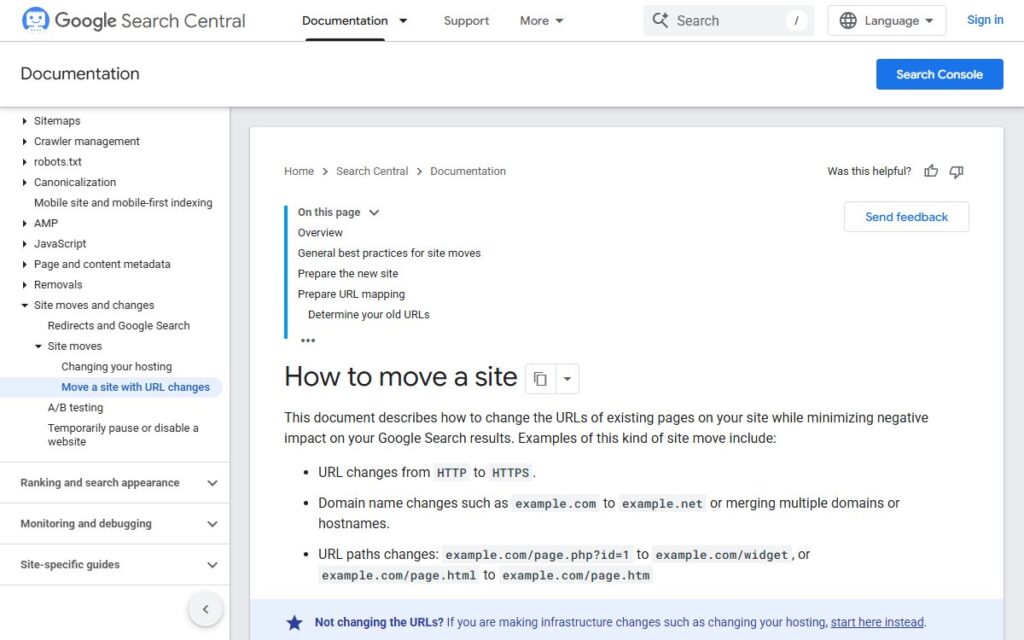
Google's own guide to moving a site says redirects should stay in place for at least a year, and longer is better. It also says to point each one straight at its final page. That guide is free and worth reading before anybody touches the old site.
Want more inquiries from your website?
We'll look at your website and rankings and tell you plainly what we would fix first. No charge and no sales pitch.
Should the old company name stay on the website?
Yes, for a while. A simple line on the new location page saying the team was formerly known by the old name helps people who still search for it.
It also answers a worry. A homeowner who hired the old company for a roof ten years ago wants to know the warranty did not vanish. So say plainly what happened, who is still on the crew, and who to contact about older work. Check the warranty wording with the owner first, and write only what is true.
What should the Google Business Profile be called?
The name the business really uses in the real world. Google's guidelines ask that the name match how the company appears on its signs, its stationery and its branding, with no extra keywords or towns added.
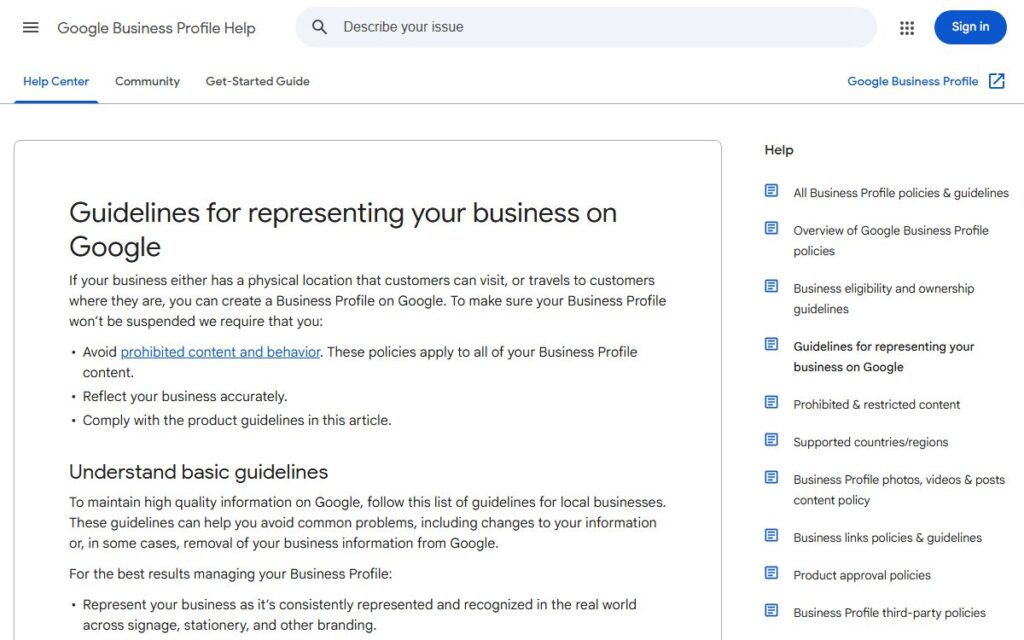
So edit the name on the existing profile once the trucks, signs and paperwork really carry the new one. Do not start a fresh profile, because the reviews live on the old one. The same guidelines also say locations of a chain should share one name, so "Brand Name of Tampa" needs real signage behind it before it goes on Google. Local SEO is the work that keeps those details right across every territory.
What should you ask a branding agency before you sign?
Ask how the brand will work on a phone, and who handles the website side. These questions take five minutes and save a lot of rework later.
- Is there a short version of the logo for small headers and browser tabs?
- Have the colors been tested as button and text colors on a screen?
- What are the rules for local photos, so owners can shoot their own?
- Does the guide cover a location page, or only print and vehicles?
- Who plans the redirects when a local roofer converts to the brand?
If the answer to the last one is nobody, you have found the job that needs an owner before the first conversion.
Where does the rest of the work fit?
The website comes first, because every other effort sends people there. SEO helps each territory get found for its towns and its services. Local SEO handles the map. Conversion work turns a visit into a call or an inspection request. A care plan keeps new territories and brand updates moving without anyone waiting months. If you are planning a rollout, our page on franchise website design and our page on roofing website design show how we think about both sides.
Where to start
Open your brand guide on a phone, then open your site beside it. If the two feel like different companies, start there. If a local roofer is about to join, list their old pages this week, before anything changes. A free site audit is an easy way to see what is live today.
Want more inquiries from your website?
We'll look at your website and rankings and tell you plainly what we would fix first. No charge and no sales pitch.